Las empresas de construcción, adquisición y explotación (EPC), los transitarios y las empresas de transporte de carga para proyectos ponen sus miras en un mercado de miles de millones de dólares
Por Leslie Meredith
La apuesta de Norteamérica por asegurarse el suministro de minerales críticos está abriendo una oportunidad logística de miles de millones de dólares. Hatch Logistics, Fracht North America y Notable Bridging Solutions comparten sus opiniones.
De N.º 3, 2026 de la revista Breakbulk
(7 minutos de lectura)
El camino hacia la independencia en materia de minerales críticos para Estados Unidos implica a todo un sector industrial en el que el país cuenta actualmente con muy poca experiencia a nivel nacional.
Más allá de reanudar la actividad en las minas cerradas y establecer alianzas estratégicas con países amigos, el país se enfrenta a una gran tarea: poner en marcha los procesos de transformación de minerales, el refinado químico y la fabricación avanzada necesarios para convertir los elementos de tierras raras y otros minerales críticos en componentes de alta calidad.
Capital a gran escala
 «De aquí a 2040, se invertirán 700 000 millones de dólares estadounidenses en proyectos mineros a nivel mundial, de los cuales el 70 % corresponderá a las Américas», afirma Sharan Swaminathan, quien pasó más de 15 años al frente de los equipos financieros, comerciales y de la cadena de suministro en BHP antes de incorporarse a Fracht North America como vicepresidente del sector industrial. «Dentro de ese total, Chile, Argentina, Perú, Estados Unidos y Canadá representan las grandes oportunidades. Si nadie hace nada al respecto ahora mismo, habrá escasez de minerales para 2035 o 2040. Por eso, las inversiones se están realizando hoy mismo… en nuestro propio territorio».
A diferencia de las materias primas a granel, como el mineral de hierro o el carbón, la transición energética y la modernización de la defensa exigen un giro radical hacia el cobre, el litio, el cobalto, el níquel y las tierras raras, lo que obliga a los promotores a crear corredores de procesamiento nacionales completamente nuevos.
Los imanes permanentes de tierras raras son esenciales para las plataformas de defensa modernas, los motores de los vehículos eléctricos, la robótica y los sistemas de radar. Durante décadas, Estados Unidos ha dependido en gran medida de China, que controla aproximadamente el 70 % de la extracción mundial de tierras raras, casi el 90 % de su procesamiento y refinado, y más del 90 % de la fabricación de imanes.
Las disposiciones federales están imponiendo ahora un cambio importante en la cadena de suministro. Según las normas del Departamento de Defensa, a partir del 1 de enero de 2027 quedará prohibido el uso de tierras raras y otros materiales de origen chino en los sistemas de defensa militar de EE. UU. La nueva norma del DFARS elimina una laguna jurídica que permitía a los contratistas de defensa comprar óxidos o aleaciones extraídos en China, procesarlos o fundirlos en un tercer país (como Vietnam o Japón) y, a continuación, clasificar el imán resultante como conforme a la normativa. Esto ya no será posible. Todos los materiales adquiridos de este tipo deberán estar libres de materiales de origen chino.
¿Podrá la cadena de suministro nacional satisfacer esa demanda a tiempo? Lyle Effio, un antiguo Ranger del Ejército con 25 años de experiencia al frente de operaciones de transporte y logística en funciones de apoyo militar, que anteriormente asesoraba a empresas de capital riesgo y ahora se centra en inversiones en minerales críticos, sectores industriales y resiliencia energética que refuerzan la seguridad de las infraestructuras críticas, ofrece una valoración contundente: «La respuesta sencilla es no».
Superar el cuello de botella en el procesamiento
En el debate público, los minerales críticos suelen tratarse como una simple cuestión de minería, pero los expertos señalan que el verdadero obstáculo radica en el procesamiento posterior y la metalurgia.
«No hay ninguna mina primaria de itrio ni de galio», afirma Effio. «Se extrae oro y cobre, y de ahí se obtienen antimonio y zinc. También se obtienen tierras raras. Se obtienen metales del grupo del platino. Mediante otros procesos más avanzados, se empiezan a obtener las tierras raras como beneficio secundario».
Para transformar esos elementos secundarios en materiales aptos para la industria aeroespacial o de semiconductores se necesitan complejas instalaciones de extracción con disolventes, refinado y aleación en varias etapas, cuya construcción lleva entre tres y siete años.
«Es posible que en los próximos 18 meses tengamos producción de tierras raras procedente de las minas», afirma Effio. «Pero, ¿estará refinada según las especificaciones: la calidad 5N, el grado aeroespacial o el grado para semiconductores que se requiere? Bueno, es probable que la respuesta sea no. No cumpliremos el plazo de 2027, pero la expansión a lo largo de varias décadas es inevitable e ineludible. Aunque están surgiendo operaciones integradas —minería, separación, refinado y producción de imanes—, aún no contamos con la escala ni la velocidad suficientes en todo el sector. Muchos siguen operando como etapas inconexas en lugar de como cadenas de suministro sincronizadas».
Basándose en su experiencia como becario de la DARPA, Effio señala que los expertos técnicos suelen carecer de la visión empresarial y de la experiencia en la cadena de suministro necesarias para comercializar activos complejos.
«Un experto en minería no es un especialista en marketing, ni en asuntos gubernamentales, ni en mercados de capitales», afirma Effio. «Hay un montón de ámbitos que deben sincronizarse y coordinarse. Eso es algo de lo que hablábamos a menudo en la DARPA. No quieres que tu experto en ciencia de datos trabaje en el plan de negocio. Quieres que se dedique a programar. Si estás construyendo misiles avanzados, no quiero que te preocupes por la financiación. Quiero que construyas lo mejor posible».
Las grandes empresas mineras mundiales han evitado históricamente el procesamiento de tierras raras porque el perfil de riesgo y la rentabilidad no se ajustaban a sus modelos de negocio basados en materias primas a granel. Ese vacío lo están llenando ahora un puñado de empresas especializadas en el procesamiento, el refinado y la fabricación de imanes, que cuentan con el respaldo de subvenciones gubernamentales y contratos de compra garantizada. La mayoría de estas empresas tienen menos de 10 años de antigüedad, y las más antiguas han cambiado de propietarios.
La trampa de los permisos y la brecha de conocimientos
 A pesar de contar con miles de millones en capital y un sólido respaldo político, la expansión nacional se enfrenta a obstáculos normativos que los equipos de proyecto deben tener en cuenta a la hora de elaborar sus calendarios.
«Se da una especie de dilema del huevo y la gallina a la hora de destinar capital a nivel estatal y local», afirma Effio. «Aunque la política federal se está coordinando activamente para agilizar la concesión de permisos para infraestructuras críticas, los proyectos no federales siguen enfrentándose a procesos de aprobación fragmentados a nivel estatal y municipal».
«Los proyectos de infraestructura federales, como el de Tooele, eluden estas restricciones estatales y locales gracias al Decreto Ejecutivo 14241, pero los proyectos privados comerciales siguen siendo vulnerables a los litigios locales y a los retrasos municipales. El mismo gobierno que, en teoría, podría concederte los fondos para acelerar tu proyecto es también el que podría denegarte ese permiso medioambiental».
Effio señala que, sin una reforma normativa sistémica o una intervención federal, las nuevas instalaciones de procesamiento y las minas reabiertas corren el riesgo de verse paralizadas antes incluso de que comience su construcción.
«Cuando te adentras en un sector como startup o incluso como empresa ya consolidada en el ámbito del procesamiento, y te dispones a construir una planta de procesamiento de tierras raras», afirma Effio, «aunque consigas la autorización del ayuntamiento y del estado, nada impide que un vecino que viva a 10 millas de allí presente una demanda por la calidad del aire». El litigio civil puede retrasar un proyecto hasta el punto de que deje de ser viable.
Para salir del punto muerto, Effio sostiene que el Gobierno federal debe establecer un mecanismo claro de seguridad nacional para proteger las infraestructuras críticas de la cadena de suministro.
«El Gobierno tiene que dejar claro de alguna manera que se trata de una infraestructura crítica. Por nuestra seguridad nacional, tenemos que contar con ella», afirma Effio. «¿Se tendrán en cuenta las medidas [medioambientales] adecuadas? Sí. Pero tiene que haber algún tipo de prioridad en materia de seguridad nacional que permita decir: “Oye, mira, es un imperativo nacional que tengamos que hacer esto”. Los responsables políticos y los encargados de tomar decisiones tienen que tomar esas decisiones difíciles».
Tras el obstáculo que supone la obtención de permisos se esconde un problema humano: toda una generación de expertos en minería y metalurgia ha desaparecido de la población activa. Gran parte de lo que se sabe sobre los yacimientos estadounidenses en minas ya cerradas solo existe en los recuerdos y en los archivos personales de veteranos jubilados de entre 70 y 80 años.
«Cuando se cerró esa empresa, ¿adónde fueron a parar esos documentos históricos, los levantamientos topográficos mineros de la empresa, adónde fue a parar todo eso? Hace treinta años, no estaba en un ordenador; está en la cabeza de alguien», dice Effio. «Uno de estos chicos se detendrá y dirá: “Espera, creo que lo tengo”, y se dará la vuelta en su silla. Dirá: “Oye, me acuerdo de Round Top hace veinte años, cuando era el topógrafo jefe». Yo le pregunto: «¿Me estás tomando el pelo? ¿Lo tenías justo detrás de ti?». Y él responde: «Ah, sí, lo vi en las noticias y me acordé de que lo topografié hace veinticinco años». Aunque los geólogos y topógrafos han comenzado recientemente a realizar evaluaciones de los yacimientos, la producción a escala comercial lleva décadas sin tocar estos yacimientos.
«Las empresas y los organismos públicos deberían contar activamente con la colaboración de estos expertos en la materia, que cuentan con décadas de conocimientos institucionales sobre yacimientos nacionales, explotaciones mineras históricas y datos geológicos históricos».
Uso de modelos de «buildout» para predecir la viabilidad
Una vez definido el proyecto, puedes utilizar esa información para evaluar las posibilidades de que se apruebe. Existen tres tipos principales de instalaciones de procesamiento; a continuación, te ofrecemos una breve descripción de cada una de ellas, junto con varios ejemplos.
1. Instalaciones gestionadas por el ejército (aprobaciones más rápidas y mayor probabilidad de llevarse a cabo): los proyectos situados en terrenos militares federales en activo, al amparo de la Orden Ejecutiva 14241, evitan disputas municipales sobre ordenación territorial, litigios civiles locales y ciclos prolongados de evaluación medioambiental. Respaldados por una demanda garantizada por parte del sector de la defensa, estos emplazamientos ofrecen la vía más rápida hacia la construcción. En el Depósito del Ejército de Tooele, en Utah, REalloys ha sido seleccionada en el marco de un contrato de arrendamiento a largo plazo con el Ejército para construir una planta de separación de tierras raras pesadas para disprosio y terbio, junto a la planta comercial de boro que tiene prevista Ioneer, con el objetivo de iniciar el desarrollo en 2027 y comenzar las operaciones en 2028.
2. Plantas de imanes y aleaciones de fase posterior (licencias industriales estándar): Las instalaciones que transforman metales refinados en imanes acabados se enfrentan a una escasa oposición medioambiental, ya que no se dedican a la extracción de mineral en bruto ni manejan residuos radiactivos como el torio y el uranio. Se autorizan como instalaciones estándar de fabricación avanzada y se benefician de acuerdos directos de compra con los sectores de la automoción y la defensa. En Fort Worth (Texas), MP Materials está ampliando la fabricación de imanes sinterizados de NdFeB, respaldada por un compromiso de compra militar de 10 años. En San Marcos, Texas, Noveon Magnetics explota una planta comercial que produce imanes permanentes a partir de materia prima reciclada. En el condado de Cherokee, Carolina del Sur, USA Rare Earth está invirtiendo 1.2 mil millones de dólares en una planta diseñada para producir anualmente 6.400 toneladas de imanes permanentes y 5.000 toneladas de aleaciones especializadas.
3. Refinerías químicas integradas (alta demanda de transporte de cargas pesadas, pero plazos de concesión de permisos más largos)
Las refinerías de hidrometalurgia y extracción con disolventes de nueva construcción son las que se enfrentan a mayores obstáculos normativos y a un mayor escrutinio público. Cuando cuentan con el respaldo de los gobiernos estatales o provinciales y utilizan diseños de circuito cerrado y sin vertido de líquidos, suponen importantes inversiones de capital que requieren grandes autoclaves, depósitos de productos químicos y plataformas modulares pesadas. El Consejo de Investigación de Saskatchewan (SRC) de Canadá ha construido en Saskatoon una planta de 200 millones de dólares estadounidenses que combina la extracción automatizada por disolventes con la fundición de metales para producir 525 toneladas anuales de metal NdPr. En Utah, Energy Fuels está ampliando el procesamiento comercial de carbonatos de tierras raras y la metalización posterior en su planta de White Mesa.
Apúntate cuanto antes
 La creación de esta industria integrada requiere medios de transporte especializados, manutención de cargas pesadas y una ingeniería de proyectos compleja mucho antes de que comience la producción comercial.
«Los proyectos integrados de tierras raras son fundamentalmente diferentes, ya que a menudo pretenden establecer múltiples etapas de procesamiento que quizá no existan actualmente a nivel nacional», afirma Jonathan Cournoyer, responsable de logística global de Hatch, una empresa de EPC con sede en Canadá, conocida por sus proyectos mineros. «En lugar de construir una única instalación, los promotores pueden estar creando toda una cadena de valor que incluye la extracción, la concentración, la separación, el refinado, la producción de metales y, en última instancia, la fabricación de imanes. El resultado es un grado mucho mayor de gestión de las interfaces».
Cournoyer destaca que la planificación logística debe integrarse en las primeras fases de ingeniería, en lugar de considerarse como algo secundario.
«Las decisiones logísticas influyen en los resultados del proyecto mucho antes de que se active el primer envío», explica Cournoyer. «Durante la fase de viabilidad y las primeras etapas de ingeniería, la logística puede ayudar a determinar los límites de dimensionamiento de los equipos, las oportunidades de modularización, los criterios de selección de emplazamientos, los requisitos de cumplimiento normativo, los corredores de transporte, las estrategias portuarias, los requisitos de acceso ferroviario, las necesidades de almacenamiento temporal y los enfoques de secuenciación de la construcción. La capacidad o la imposibilidad de transportar un módulo de proceso de grandes dimensiones por carretera, ferrocarril o barcaza puede afectar directamente a las decisiones de ingeniería, las estrategias de fabricación y la rentabilidad general del proyecto».
Cournoyer describe las capacidades que las empresas de ingeniería exigen a sus socios logísticos: «En el caso de los proveedores logísticos, miramos mucho más allá de la capacidad de transporte. Los mejores proveedores comprenden los calendarios de ingeniería, los procesos de aprovisionamiento, el cumplimiento de las normas aduaneras, la gestión de riesgos y los requisitos de construcción. Son capaces de aportar su granito de arena durante las primeras fases de planificación del proyecto, y no se limitan simplemente a gestionar los envíos una vez emitida la orden de compra».
Swaminathan coincide en que las nuevas explotaciones mineras plantean requisitos específicos en materia de estudio de rutas y diligencia debida para los transportistas.
«Debido a la ubicación de algunos de estos nuevos yacimientos, se encuentran en zonas a las que no se había accedido anteriormente, lo que implica que es necesario realizar un análisis más exhaustivo», afirma Swaminathan. «Se requieren más estudios de trazado, además de evaluar el impacto en la comunidad y comprender los riesgos que entraña el hecho de que algunos de estos proyectos se desarrollen en zonas montañosas».
Effio señala que los promotores de proyectos deberían consultar activamente con los promotores inmobiliarios sobre las infraestructuras intermedias y de salida.
«Un proveedor de logística debería estar llamando a la puerta de cualquier empresa de procesamiento, fabricante de imanes o empresa minera», afirma Effio. «Mucha gente habla de que no hace falta ser dueño de la mina, sino de los picos y las palas. Estos chicos están construyendo una mina y hay que transportar la roca. ¿Se va a llevar en camión? ¿Se va a llevar en tren? Oh, espera, no hay vías de tren. Este va a ser un proyecto de 50 años. Quizá deberíamos hablar con la compañía ferroviaria».
La paciencia dará sus frutos
Garantizar la seguridad de la cadena de suministro esencial de América del Norte requerirá años de ejecución rigurosa, colaboración internacional y una importante inversión industrial.
Los usuarios finales del sector comercial se están dando cuenta poco a poco de que sus tecnologías dependen por completo de esta expansión. «He hablado con mucha gente del sector tecnológico y de la tecnología de defensa que no invertiría en una mina ni por asomo», afirma Effio. «Les recuerdo que están cerrando acuerdos en el sector solar o que el 80 % de su cartera está en tecnología. ¿Saben que nada de esa tecnología se fabricará sin la extracción y el procesamiento de los materiales? Eso significa que se acelerarán las restricciones de suministro de la electrónica de próxima generación. Sin un procesamiento nacional, dependemos de la buena voluntad geopolítica para mantener los ciclos de innovación tecnológica».
Añade que la seguridad nacional requiere una estrecha colaboración con los socios internacionales: «No podremos hacerlo por nuestra cuenta a nivel nacional. Estamos equivocados si no pensamos en clave internacional».
Para el sector de la carga general, este plazo ampliado supone una ventaja. A diferencia de las burbujas de mercado de rápida evolución, la construcción de un corredor minero en varias fases genera un ciclo de desarrollo de varias décadas en el que se necesitan sectores de servicios a lo largo de toda la cadena de suministro.
«Va a suceder, nos guste o no», afirma Effio. «La cadena de suministro es flexible y resistente. Las empresas tienen que ganar dinero, por lo que tienen incentivos para solucionarlo. Hay muchas oportunidades para quienes se dedican a mover las cosas en el medio».
Más información: Lo que hace falta para conseguir un contrato de procesamiento de tierras raras
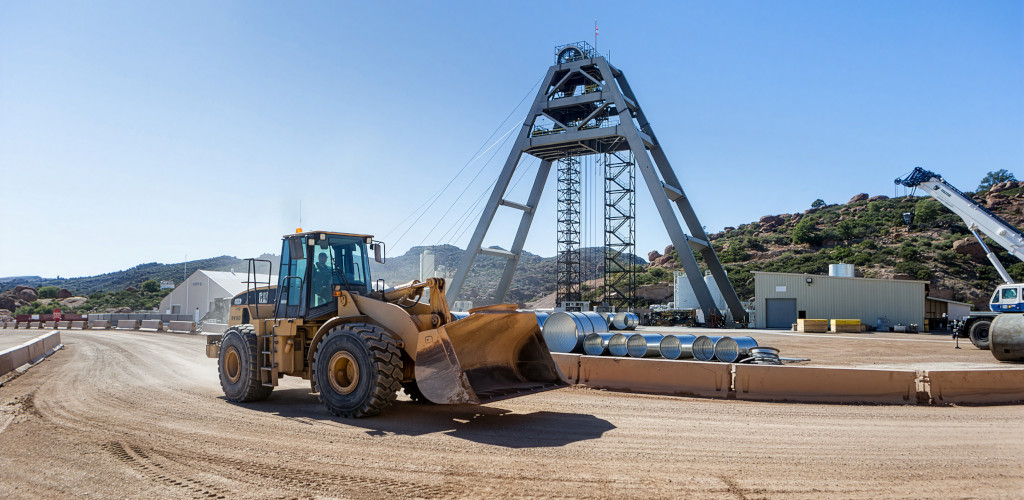
Foto superior: Trabajos de movimiento de tierras en el proyecto «Resolution Copper» de Rio Tinto y BHP en Arizona. Crédito: Rio Tinto.
_1.jpg?width=330&height=227&ext=.jpg)



.png?ext=.png)









.png?ext=.png)


_1.png?ext=.png)






_1.jpg?ext=.jpg)